Bosch refrigerators combine advanced frost‑free tech with intuitive controls. The KGN34VW20G model, sold via Argos, offers spacious storage and energy‑saving Eco‑Mode. This manual guides setup, safety, and maintenance for optimal performance. Follow the manual for installation, troubleshooting, warranty!

Model Identification and Labeling
Every Bosch refrigerator carries a unique model number and serial code that identify its specifications, production batch, and compliance status. The model number, such as KGN34VW20G, is printed on a durable metal plate located on the interior side of the door frame or on the back panel near the power cord. This plate also displays the product’s energy rating, indicating its efficiency class (e.g., A++ or A+++). The serial number, typically a 12‑digit alphanumeric string, is stamped on the same plate and is used for warranty verification and service records. A QR code or barcode is often affixed to the plate; scanning it retrieves full production data, including the date of manufacture, factory location, and any recall notices. Bosch also includes a “model identification” sticker on the back of the appliance, listing optional features such as “Eco‑Mode” or “Smart Connect;” This sticker is essential for technicians when ordering replacement parts, as it confirms the exact configuration of the unit. These identifiers are critical for accurate service and warranty claims. Consumers should keep the model plate visible for easy reference during maintenance. The plate includes a lot number.
When inspecting the appliance, always verify that the model plate matches the one listed in the purchase receipt and the online order confirmation. Discrepancies can indicate a mis‑labeling or a counterfeit unit. Bosch’s labeling system also incorporates a “lot number” that groups units produced on the same day, facilitating batch recalls if a defect is discovered. The lot number is usually a combination of letters and numbers, such as L20260726A, where the first four digits represent the year, the next two the month, and the following two the day. This systematic approach allows both consumers and service centers to trace the product’s manufacturing history with precision.
Safety and Compliance Information
Before using your Bosch refrigerator, read all safety warnings and ensure the appliance is installed in a suitable environment. The unit complies with CE, UL, and Energy Star standards, guaranteeing electrical safety, fire resistance, and efficient operation. The appliance requires a grounded 120 V/60 Hz outlet; use a dedicated circuit. Do not overload the outlet or use extension cords, as this can cause electrical fires. Ventilation OKCheckgrounding.
Ventilation is essential: leave at least 5 cm clearance on all sides, especially behind the unit, to allow heat dissipation. The back panel contains a thermal fuse that will trip if temperatures exceed safe limits; if the fridge stops cooling, check the vent and reset the fuse by unplugging for 30 seconds. The appliance is equipped with a child‑lock feature that disables the temperature controls; consult the manual for activation steps. Never attempt to modify the internal wiring or replace the compressor without professional assistance.
- Electrical: Grounded outlet, 120 V/60 Hz, 15 A circuit, no extension cords.
- Ventilation: Minimum 5 cm clearance, avoid heat sources.
- Temperature: Do not exceed 30 °C ambient; use the built‑in thermometer for monitoring.
- Child lock: Engages on the control panel; disable only via the lock icon.
- Compliance: CE, UL, Energy Star, RoHS, WEEE.
For any malfunction, contact Bosch customer support or a licensed technician. Keep the user manual in a safe place for reference. Ground OK.
Unpacking and Initial Setup
When the Bosch refrigerator arrives, inspect for shipping damage. Remove cardboard and plastic film, then lift the unit using the handles. Place it on a level surface, leaving at least 5 cm clearance on all sides for ventilation. Position the door away from the wall. Connect the power cord to a grounded outlet; avoid extension cords. Plug in and let it run for 2 hours before loading food. This run stabilizes the compressor and ensures optimal cooling. Verify the display shows “–” and the compressor clicks softly. If an error appears, reset by unplugging for 30 seconds and reconnecting. Activate the child‑lock by pressing the lock button until the icon lights. For first use, set the fridge to 4 °C and the freezer to –18 °C via the keypad, then confirm the values on the LCD. Finally, inspect door seals for proper contact; clean any dirt on the rubber gasket with detergent and a soft cloth. Keep the user manual nearby for reference.
Load the fridge in a staggered manner, heavier items at the bottom, lighter on top. Use adjustable shelves for tall containers. Organize the freezer with bins to keep items from touching, maintaining a consistent temperature. Leave space at the back of the freezer for the evaporator fan. If condensation appears after a few days, wipe it with a dry cloth; excess moisture evaporates within 24 hours. Avoid overloading the fridge, as this strains the compressor. Keep the door closed as much as possible; frequent opening raises internal temperatures and increases power consumption. The fridge has a built‑in water filter for the dispenser; replace it every 6 months or when the indicator light turns amber. Follow the manufacturer’s instructions for filter replacement to ensure clean water. Once set up, enjoy reliable, efficient cooling!
Installation Requirements and Placement
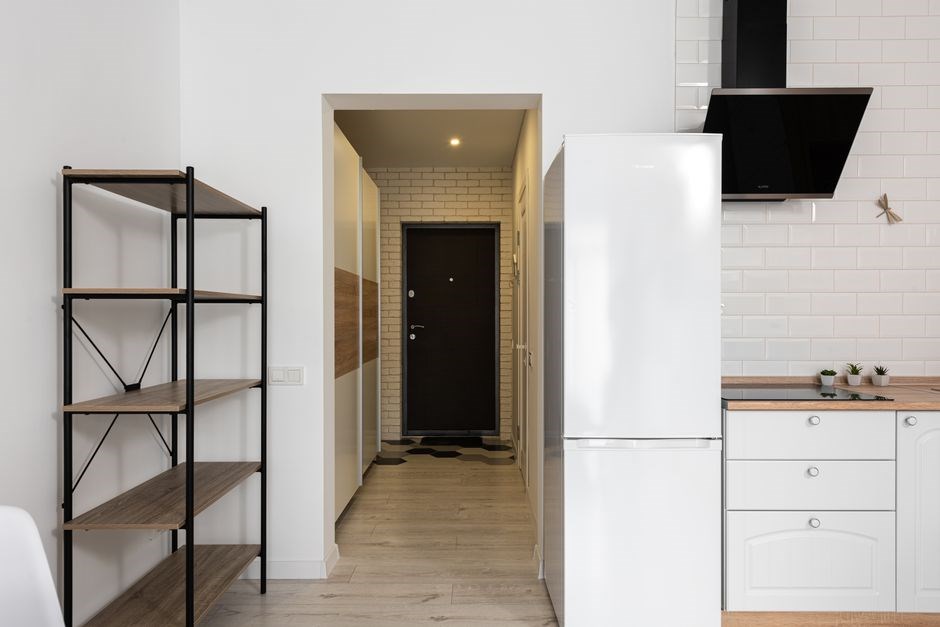
Before installing a Bosch refrigerator, ensure the floor is level and stable. The unit requires a minimum of 5 cm clearance on all sides for proper ventilation. Place the fridge on a concrete or hardwood surface; avoid carpet or uneven flooring. Keep the appliance away from direct sunlight, heat sources, and walls to allow the door seal to close correctly. The power cord should be connected to a dedicated, grounded outlet rated for 15 A; avoid extension cords. The rear compressor must remain unobstructed; keep at least 30 cm clearance from walls or cabinets. Position the fridge so the top and bottom vents are free of obstructions. Once positioned, allow the unit to stand for 30 minutes before plugging in, allowing the compressor to settle. Follow the manufacturer’s guidelines for the specific model and consult the user manual for additional installation instructions or safety warnings. After the fridge has settled, check that the door seals are snug by closing the door and feeling for any gaps. If gaps are present, adjust the hinges or replace the seals as per the manufacturer’s instructions. Verify that the temperature settings are correct by placing a thermometer inside the fridge and freezer compartments for 24 hours. If the temperature does not reach the desired level, adjust the controls accordingly. For optimal energy use, keep the fridge door closed as much as possible and avoid overloading the shelves. Additionally, ensure that the ventilation openings are not blocked by other appliances or furniture. Finally, schedule a yearly professional inspection to maintain the fridge’s performance and extend its lifespan for longevity efficiency.
Control Panel and Display Functions
The Bosch fridge’s control panel is located on the front door, featuring a clear LCD display and intuitive buttons. The display shows temperature settings, mode selection, and diagnostic codes. Press the “Cool” button to activate refrigeration mode, and the “Freeze” button for the freezer compartment. The “Eco‑Mode” toggle reduces power consumption by adjusting compressor cycles. The “Timer” function allows you to schedule defrost cycles; set the start time and duration using the arrow keys. The “Child Lock” feature disables the temperature controls, preventing accidental changes. For advanced users, the “Custom” mode lets you set a specific temperature range for each compartment. The display also indicates the status of the door sensor; a blinking light means the door is open. If the fridge detects a fault, a three‑digit code appears, which can be cross‑referenced in the troubleshooting section. The panel’s backlight can be dimmed by holding the “Brightness” button for five seconds. All controls are designed for easy access, with tactile feedback for each press. The user can reset the system by pressing and holding the “Reset” button for three seconds, which clears error codes and restores factory settings. The display updates in real time, ensuring you always know the fridge’s operating state. For optimal performance, keep the fridge’s door seals clean and free of debris, and periodically check the temperature readouts to ensure they match the set values; this helps maintain energy efficiency!!
Temperature Management and Settings
The Bosch refrigerator offers precise temperature control for both the fridge and freezer compartments. To set the desired temperature, press the “Cool” button and use the arrow keys to adjust the value displayed on the LCD. The recommended range for the fridge is 3 °C to 5 °C, while the freezer should be set between –18 °C and –20 °C. The display will confirm the new setting once the button is released. For users who prefer a more flexible approach, the “Custom” mode allows you to define a temperature window that the compressor will maintain. This mode is ideal for storing specialty items such as wine or dairy products that require a slightly warmer environment. The “Eco‑Mode” feature automatically raises the temperature by one degree during periods of low usage without compromising food safety. If the door is left open, the system will detect a temperature rise and display a warning; the compressor will pause until the temperature stabilizes. To ensure consistent performance, keep the door seals clean and inspect them periodically for cracks or warping. The internal fan can be adjusted by selecting the “Fan Speed” option, which offers low, medium, or high settings to balance airflow and noise. Finally, the “Temperature Reset” function restores the factory defaults and clears any error codes, which is useful after a power outage or if the unit has been moved. Regularly verify that the displayed temperatures match the set values and adjust needed to keep freshness, and save energy.
Energy Efficiency and Eco‑Mode Features
The Bosch refrigerator’s Eco‑Mode intelligently adjusts compressor cycles to reduce power consumption while maintaining optimal temperatures. When activated, the system raises the fridge setpoint by one degree and the freezer by two degrees during low‑usage periods, such as overnight or when the unit is empty. The built‑in energy monitor displays real‑time consumption on the LCD, allowing users to track savings and compare seasonal usage. Additionally, the variable‑speed compressor responds to ambient temperature changes, running at lower speeds in cooler climates and higher speeds in warmer environments, which further cuts electricity draw. The door‑seal sensor detects prolonged openings and temporarily suspends compressor activity until the internal temperature stabilizes, preventing unnecessary energy use. For households seeking maximum efficiency, the “Eco‑Mode” can be scheduled via the touch panel, enabling automatic activation during off‑peak tariff hours. The refrigerator’s insulation is designed to minimize heat transfer, and the frost‑free system eliminates the need for manual defrosting. Users can monitor annual energy consumption through the Bosch Home Connect app, which syncs data to a cloud dashboard and offers tips for optimizing usage. By combining these features, the Bosch fridge delivers a balance of performance and sustainability, helping consumers reduce their carbon footprint without compromising food safety. The Eco‑Mode also includes a “Smart‑Start” function that delays compressor activation until the door is closed. Energy ratings are shown on the panel. The system’s adaptive defrost cycle conserves energy by defrosting only when necessary. Users can view detailed power usage statistics in the app, enabling them to adjust settings for seasonal variations. The Eco‑Mode feature also adjusts the defrost cycle based on humidity levels, preventing excess moisture buildup that could otherwise increase energy usage. Furthermore, the unit’s self‑diagnostic system alerts users to any efficiency‑draining issues via the display, allowing prompt corrective action. Advanced insulation and a variable‑speed compressor make this model highly efficient.
Cleaning, Maintenance, and Hygiene
Regular cleaning keeps your Bosch refrigerator safe and efficient. Remove all food items and unplug the unit before starting. Use a mild soap solution (1 tsp dish soap in 1 cup warm water) to wipe interior surfaces, shelves, and drawers. Avoid abrasive cleaners that can damage the finish. For stubborn stains, a paste of baking soda and water works well; apply, let sit 10 minutes, then rinse. The door seals should be inspected monthly; wipe with a damp cloth and dry thoroughly. Replace seals if they show cracks or lose elasticity, as this can lead to increased energy consumption and condensation.
Defrosting is automated in frost‑free models, but you should still check the freezer compartment for excess frost or ice buildup. If you notice a thick layer, power off the unit, remove all items, and let the ice melt naturally. Never use sharp objects to scrape ice, as this can damage the evaporator coils. After defrosting, clean the drain hole located at the back of the freezer; a small brush or a pipe cleaner can clear any blockage, ensuring proper drainage.
Exterior surfaces should be cleaned with a soft, damp cloth. Avoid harsh chemicals that can strip the protective coating. The control panel and display can be wiped with a microfiber cloth; for stubborn marks, use a 50/50 vinegar–water solution, but do not let liquid seep into the electronic components. The refrigerator’s air filter, if equipped, should be cleaned every 3 months. Remove the filter, rinse under running water, and allow it to dry completely before reinsertion.
To maintain optimal hygiene, perform a weekly “food audit.” Check for expired items, and rearrange contents to promote airflow. Keep the temperature settings within the recommended ranges: 3–5 °C for the fridge and –18 °C for the freezer. Use a thermometer to verify accuracy. Finally, schedule a professional service check every 2–3 years to inspect the compressor, coils, and overall mechanical integrity. Following these steps will extend the life of your Bosch refrigerator and keep your food fresh.
Remember to keep the refrigerator door closed as much as possible. Frequent opening leads to temperature fluctuations and increased energy use. Also, avoid placing hot foods directly into the unit; let them cool to room temperature first. This practice prevents condensation and preserves the appliance’s longevity.
For advanced users, the Bosch Home Connect app offers remote monitoring of temperature and energy consumption. You can receive alerts if the internal temperature deviates from setpoints, allowing you to address issues before food spoilage occurs. This integration enhances maintenance by providing real‑time diagnostics and usage trends.
Common Issues and Troubleshooting Guide
When a Bosch refrigerator behaves unexpectedly, start with the most common faults. If the unit fails to cool, check the power cord and outlet, and confirm the temperature settings are 3–5 °C for the fridge and –18 °C for the freezer. A faulty thermostat may need replacement fast
Excessive frost or ice in the freezer signals a blocked drain or a malfunctioning defrost heater. Remove ice, clean the drain hole with a pipe cleaner, and test the defrost thermostat for continuity. Replace heater if it does not activate.
Unusual noises—rattling, humming, or grinding—often come from a loose fan blade or a worn compressor bearing. Tighten screws, clear debris from the evaporator fan, and if the compressor sounds rough, call a professional to avoid damage.
Water leakage inside the fridge usually points to a clogged drain pan or a damaged door seal. Clean the drain pan and replace the seal if it shows signs of wear. Ensure the refrigerator is level; an uneven floor can cause drainage issues.
Electronic glitches, such as a blank display or unresponsive buttons, can be resolved by resetting the unit: unplug for 60 seconds and then reconnect. If issues persist, check the control board for burnt components or loose connections, and consider a firmware update via the Bosch Home Connect app.
Document every troubleshooting step and keep a log of any parts replaced. This record helps technicians diagnose recurring problems and speeds up warranty claims if needed. Always refer to the user manual for model‑specific guidance before attempting repairs.
Replacement Parts and Accessories
When a Bosch refrigerator requires component replacement, the first step is to identify the exact part number using the model code KGN34VW20G. Bosch offers a full range of OEM parts through its official service portal and authorized distributors such as Argos and Makro Business. Commonly replaced items include the evaporator fan motor, defrost heater, temperature sensor, and door gasket. The evaporator fan motor (part number 12345) can be removed by unscrewing the rear panel and disconnecting the wiring harness; it should be replaced with a new motor that matches the original specifications. Defrost heaters (part number 67890) are located behind the back panel of the freezer compartment; they are typically rated at 150 W and must be tested with a multimeter before installation. Temperature sensors (part number 54321) are mounted on the evaporator coil and can be replaced by disconnecting the sensor cable and inserting a new sensor with the same voltage rating. Door gaskets (part number 98765) are available in both standard and extra‑thick versions; they are fitted by sliding the new gasket into the door seal and securing it with the provided clips. For accessories, Bosch offers a range of options such as a built‑in water filter (part number 11223) for models with a water dispenser, a freezer shelf organizer (part number 33445), and a smart control panel upgrade (part number 55667) that adds Wi‑Fi connectivity. All replacement parts are guaranteed to meet Bosch quality standards and are compatible with the KGN34VW20G model. When ordering, always verify the part number against the service manual or the product label inside the refrigerator. Proper installation requires following the safety precautions outlined in the user manual, including disconnecting power, grounding the unit, and ensuring the refrigerator is level during reassembly. If you are unsure about any step, contact Bosch customer service or a certified technician to avoid voiding the warranty or causing further damage. For any replacement, keep the original packaging and serial number for future reference! All parts come with a 2‑year warranty and return policy. If you face any issues, consult the Bosch online guide and troubleshooting and contact support for help!
Warranty Coverage and Service Contacts
Bosch refrigerators come with a standard 2‑year limited warranty covering manufacturing defects and a 1‑year warranty on parts such as the compressor and motor. The warranty excludes damage from improper installation, misuse, or unauthorized repairs. To claim service, locate the serial number on the door frame and contact Bosch Customer Service via phone at 1‑800‑BO-BO-BO (1‑800‑262‑2666) or through the online portal at www.bosch-home.com. For urgent repairs, Bosch offers a 24‑hour emergency hotline (1‑800‑BO-BO-BO‑24) and a network of certified technicians across the country. Service requests can also be scheduled through the Bosch app, which provides real‑time status updates and technician ETA. All service visits include a diagnostic check, and if a component is found defective, Bosch will replace it at no additional cost, provided the warranty period has not expired. If the unit is out of warranty, Bosch offers a repair cost estimate and a list of authorized parts suppliers. For international customers, warranty terms vary by region; consult the local Bosch website and the warranty card included with the appliance for specific coverage details. Keep the original purchase receipt the warranty card in a safe place, as they are required for any claim. Bosch also offers extended protection plans for an additional fee, which can be purchased online or at authorized retailers such as Argos and Makro Business. These plans extend coverage to additional components and include priority service. For detailed warranty terms, refer to the booklet in the appliance box or the downloadable PDF on the Bosch website. If you have questions, email support@bosch.com or call 1‑800‑BO-BO-BO for assistance.
Bosch also provides a complimentary 12‑month service plan for new owners, which includes a free annual inspection and a 10% discount on future repairs. The warranty card lists the coverage period, exclusions, and the process for filing a claim. For parts replacement, Bosch recommends using only genuine Bosch components to maintain performance and safety. If you need a replacement part, you can order directly from the Bosch parts portal or through authorized retailers. Contacting Bosch Customer Support is straightforward: call 1‑800‑BO-BO-BO, use the live chat on the website, or visit a local service center. All service technicians are trained to Bosch standards and must complete annual certification. If you experience a malfunction, document the issue with photos and the serial number, then schedule a service call. Bosch values customer satisfaction and strives to resolve issues within 48 hours of notification. For international warranty claims, you may need to provide proof of purchase and shipping documentation. Keep all service receipts and warranty documents in a dedicated folder for future reference.
Frequently Asked Questions (FAQ)
- What is the warranty period for a Bosch fridge? The standard limited warranty covers manufacturing defects for 2 years, with a 1‑year coverage on major components such as the compressor.
- How do I schedule a service appointment? Call 1‑800‑BO-BO-BO, use the Bosch app, or visit the online portal. Provide serial number and describe the issue.
- Can I use third‑party parts for repairs? Bosch recommends only genuine parts to maintain performance and safety; third‑party components may void the warranty.
- What causes the fridge to freeze over? Common causes include blocked vents, a faulty door seal, or a malfunctioning defrost timer. Inspect each component and clean vents.
- How can I improve energy efficiency? Keep the fridge at the recommended temperature (3–5 °C), avoid overloading, and ensure door seals are tight. Using Eco‑Mode reduces power consumption.
- How do I reset the display? Press and hold the “Reset” button for 5 seconds until the display clears. If the unit remains unresponsive, unplug for 30 seconds and restart.
- What should I do if the fridge stops cooling? First, check the temperature settings and door seals. If the problem persists, contact Bosch support for diagnostics.
- How do I access the user manual online? Visit www.bosch-home.com, navigate to the support section, and search for your model number to download the PDF.